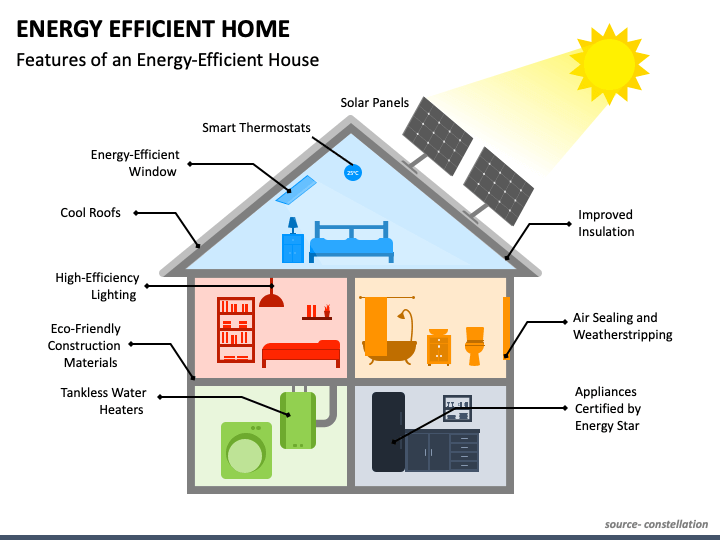
Top 10 Energy-Efficient Upgrades for Your Home
Upgrading your home with energy-efficient solutions not only helps the environment but also reduces your energy bills. Here are the top 10 energy-efficient upgrades to consider for your home:
- LED Lighting: Replace incandescent bulbs with LED lights, which use up to 75% less energy.
- Smart Thermostats: Invest in a smart thermostat to optimize your heating and cooling, ensuring energy is used only when needed.
- High-Performance Windows: Install double or triple-glazed windows to prevent heat loss.
- Insulation: Upgrade your insulation in walls, attics, and basements to keep your home comfortable year-round.
- Energy-Efficient Appliances: Choose appliances with the ENERGY STAR label for significant energy savings.
- Solar Panels: Harness the power of the sun by installing solar panels, reducing electricity costs.
- Water-Saving Fixtures: Replace old faucets and showerheads with low-flow options.
- Smart Power Strips: Use smart power strips to reduce energy waste from electronics.
- Heating and Cooling Systems: Upgrade to a high-efficiency HVAC system for better performance.
- Landscaping: Strategically plant trees and shrubs to provide natural insulation and shade.
How to Reduce Your Energy Bills: Tips for an Eco-Friendly Home
Reducing your energy bills is a crucial step towards creating an eco-friendly home. One of the most effective methods is to conduct an energy audit. This process helps identify areas where your home is losing energy, allowing you to make necessary improvements. Here are some tips to get started:
- Seal gaps and cracks: Use weatherstripping and caulk to seal windows and doors.
- Upgrade insulation: Ensure your walls and attic are properly insulated to retain heat.
- Use energy-efficient appliances: Invest in ENERGY STAR-rated appliances that consume less power.
In addition to these adjustments, consider adopting more sustainable habits that contribute to lowering your energy bills. Simple lifestyle changes can have a significant impact. For instance, try to:
- Unplug devices: Many electronics consume energy even when not in use.
- Switch to LED lighting: LEDs use up to 80% less energy than traditional bulbs.
- Implement smart technology: Smart thermostats and home automation can optimize energy use.
Is Your Home Energy Efficient? A Comprehensive Guide to Auditing and Improving Efficiency
Assessing whether your home is energy efficient starts with a thorough energy audit. This process involves evaluating various aspects of your home, including insulation, windows, doors, and appliances. Begin by identifying common areas of energy loss:
- Drafty windows and doors
- Inadequate insulation in attics and walls
- Old or inefficient heating and cooling systems
- High energy consumption by appliances
By pinpointing these issues, you can take actionable steps towards improving your home's energy efficiency.
Once you've completed your audit, consider implementing some effective strategies to enhance energy efficiency. Here are a few recommendations:
- Seal any drafts around windows and doors using weatherstripping or caulk.
- Upgrade to energy-efficient appliances that have the ENERGY STAR label.
- Enhance insulation in areas like attics and crawl spaces to keep your home temperature stable.
- Consider installing a programmable thermostat to better regulate heating and cooling.
Making these changes can significantly reduce your energy consumption and lead to lower utility bills while contributing to a more sustainable environment.